 YesDay
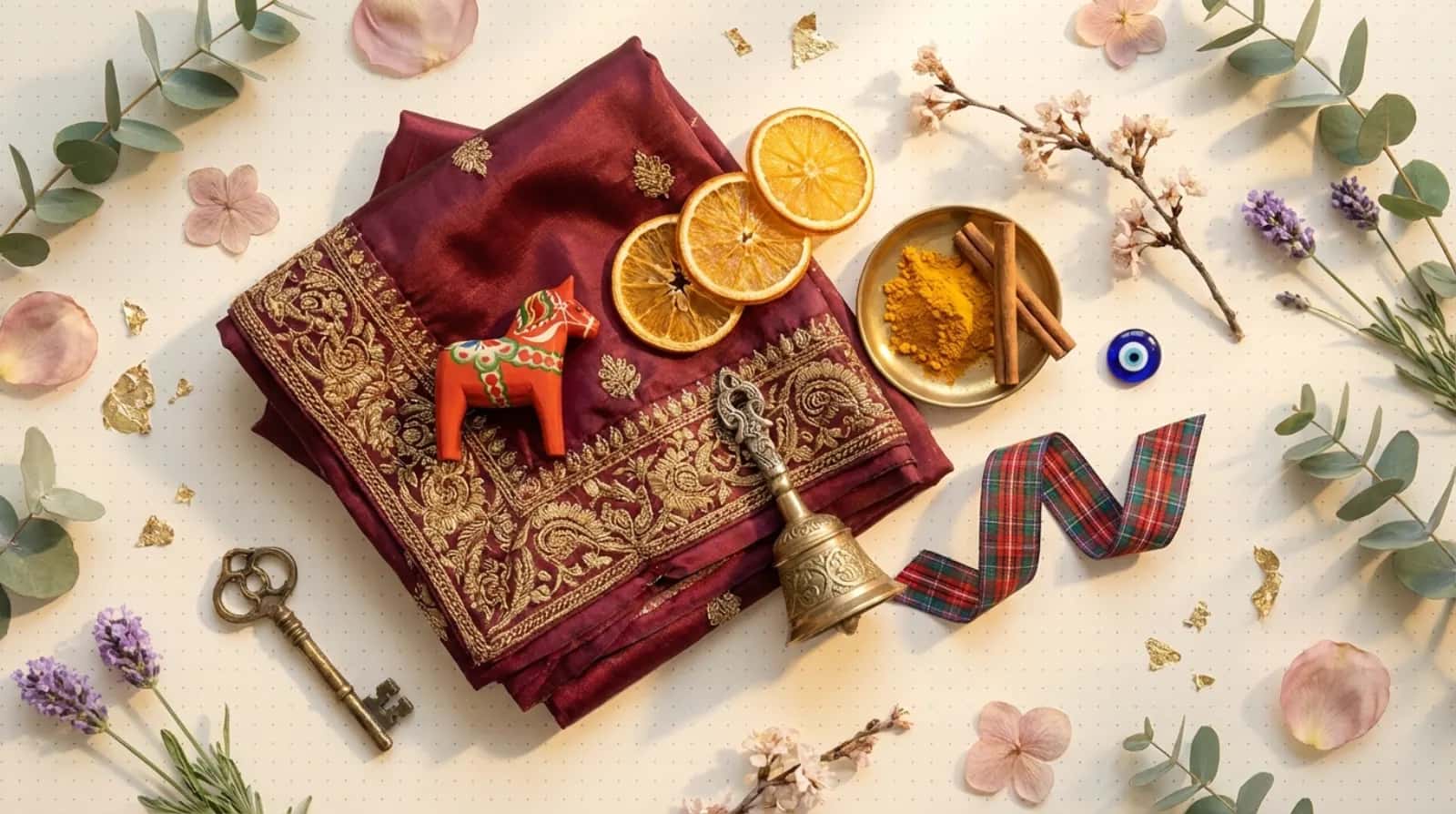
A wedding is a universal celebration of love
People have married in every era and in every corner of the planet. But the ways of celebrating the day differ as much as the world's cuisines. Some weddings last a week, others five minutes. In one place the bride paints her feet with henna, in another the groom is covered in mud. Let's set off on a journey through the most unusual wedding traditions in the world.
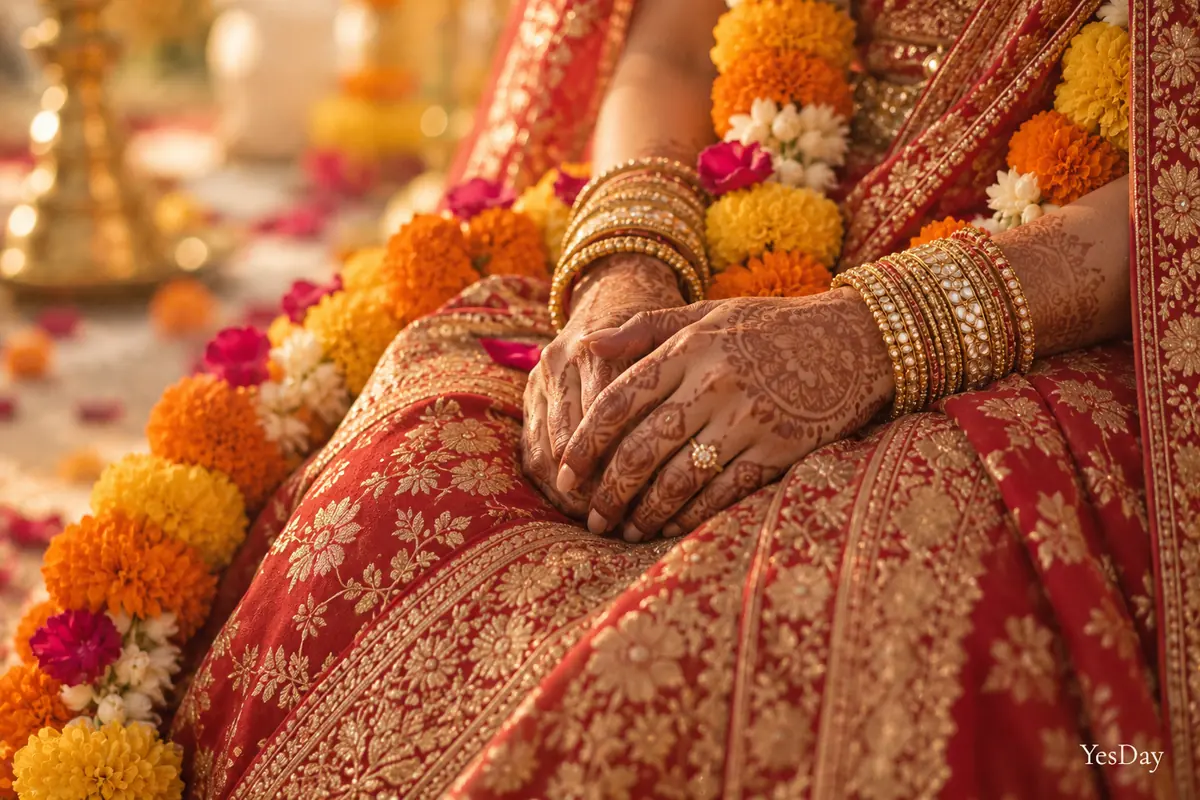 An Indian wedding ceremony in bright colours
India: a wedding as a festival
An Indian wedding is not a single event but a series of ceremonies that can last from 3 to 7 days. Each day has its own meaning.
Mehndi (2–3 days before the wedding)
The hands and feet of the bride and all the women are painted with henna. The patterns are incredibly detailed — the groom's name is hidden in them. By tradition, the wedding night doesn't begin until the groom finds his name in the patterns.
Sangeet (the evening before the wedding)
A musical evening where the families of the bride and groom compete in dancing. They spend months preparing choreography, costumes and musical numbers. In terms of spectacle it is comparable to Hollywood.
Baraat (the wedding day)
The groom arrives at the venue on a white horse, surrounded by dancing friends and relatives with live music. It is a procession that draws the attention of the whole neighbourhood.
Saat Phere (the seven steps)
The main ritual: the bride and groom take 7 steps around the sacred fire. Each step is a promise: food, health, wealth, family, children, a long life and friendship.
What to borrow: the idea of "7 promises" is beautiful for any wedding. Write 7 vows to each other — one for each of the first seven years you will spend together.
Japan: silence and symbolism
Japanese weddings are the complete opposite of Indian ones. Here everything is about restraint, symbolism and aesthetics.
The Shinto ceremony
It is held in a shrine, with only the closest relatives present (15–30 people). The bride wears a white shiromuku kimono and a tsunokakushi headdress (it hides the "horns of jealousy").
San-san-kudo (three-three-nine)
The bride and groom take turns to drink 3 sips of sake from three cups of different sizes. 3 × 3 = 9, a sacred number. The ritual symbolises the joining of two families.
Origami cranes
According to Japanese belief, if you fold 1,000 paper cranes (senbazuru), your wish will come true. At weddings, garlands of cranes decorate the hall. Sometimes the guests fold cranes right at the celebration.
What to borrow: put origami paper with instructions on the tables. The guests fold cranes with their wishes — later you gather them into a garland for your home.
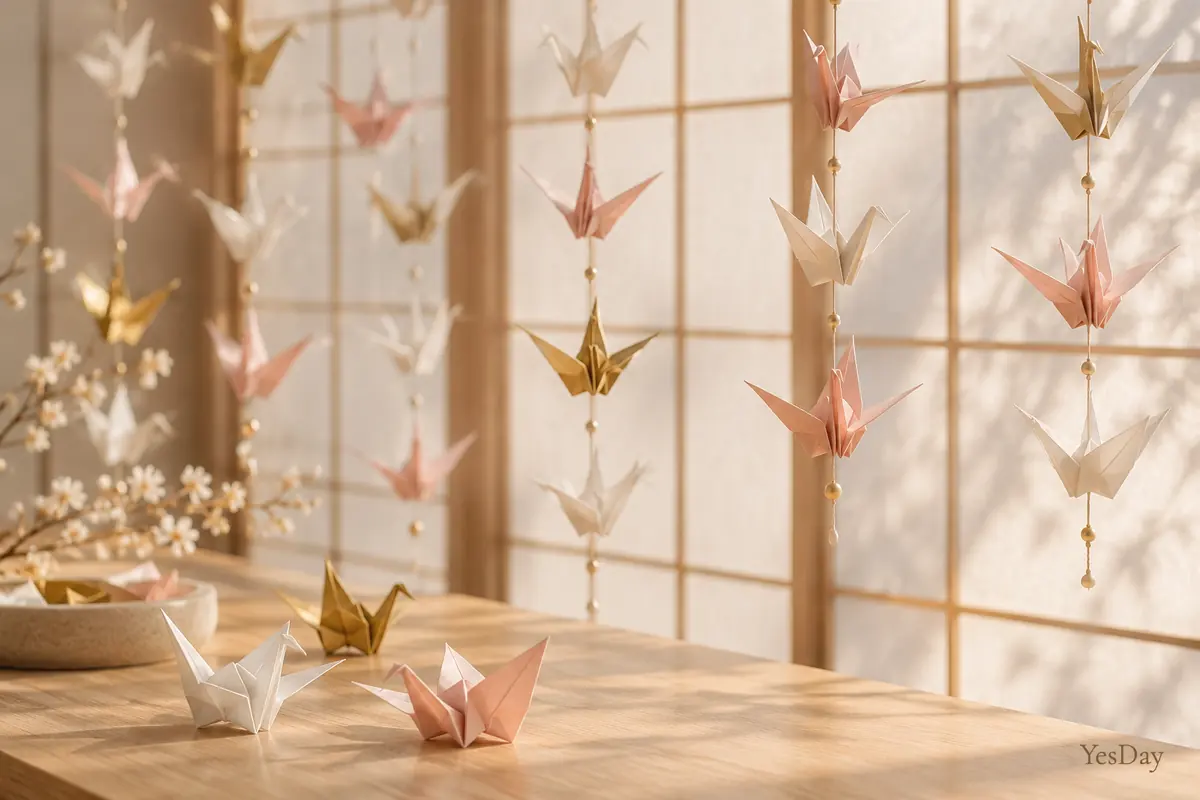 Japanese wedding origami cranes
Scandinavia: nature and equality
Scandinavian weddings reflect the culture: minimalism, closeness to nature and full equality between the bride and groom.
Norway: the crowned bride
The bride wears a silver crown (brudekrone) hung with tiny spoon-shaped pendants. When the bride moves, the spoons tinkle — the sound is believed to drive away evil spirits.
Sweden: kisses
When the groom leaves the room (for a drink, to the bathroom), all the women are allowed to kiss the bride. When the bride leaves, the men kiss the groom. The tradition creates an atmosphere of fun and togetherness.
Denmark: cutting the socks
During the reception the groom's friends cut the toes off his socks with scissors. The meaning: the groom should be humble and not too proud. In the same way, the bride's friends may cut her veil.
Finland: the bride collects money
The bride walks around with a sieve (or a pillowcase), and the guests drop money and gifts into it. One of the guests dresses up as an "old husband" and follows the bride, comically acting jealous.
What to borrow: the Scandinavian approach to decor — a minimum of plastic, a maximum of wood, candles and fresh greenery. And, of course, equality in the vows.
Africa: dances, songs and symbols
The African continent is hundreds of cultures, each with its own wedding customs.
Kenya (Maasai): the father spits on his daughter
This is a blessing, not an insult. The bride's father spits on her head and chest — that is how he passes good luck on to her. After that the bride leaves home without looking back, otherwise, according to legend, she will turn to stone.
Nigeria (Yoruba): the money spray
At Yoruba weddings the guests literally shower the newlyweds with money while they dance. Banknotes fly through the air and stick to foreheads. The more money on the floor, the more successful the marriage will be.
South Africa: the fire ritual
The bride takes a burning log from her family's hearth and carries it to the groom's home. This is how she brings the warmth of her family into the new one. The fire in the groom's hearth is lit with that same log.
Ethiopia: a seven-day wedding
The wedding lasts 7 days, each with its own ritual. On the first day there is the engagement, on the last a farewell to the bride's family. In between are days of dancing, feasting and ceremonies.
What to borrow: the ritual of uniting flames is beautiful in any culture. Light the candle of your new home from two candles — one from each of your families.
Latin America: passion and superstition
Mexico: El Lazo (the lasso)
During the ceremony a lasso in the shape of a figure eight is placed over the shoulders of the bride and groom — a symbol of infinity and unity. It can be a rosary, a ribbon or a flower garland. After the ceremony the lasso is kept as a family heirloom.
Argentina: La Hora Loca (the crazy hour)
At midnight the "crazy hour" begins — the guests are handed masks, glowing accessories, wigs and hats. The music gets louder, the lights brighter. Total chaos for 30–60 minutes.
Cuba: pins on the dress
Every guest who dances with the bride pins money to her dress. By the end of the evening the dress has turned into a "money tree".
Venezuela: the newlyweds' escape
During the reception the newlyweds have to slip away unnoticed. If a guest spots them, that guest will be the next to marry. A Latin American version of tossing the bouquet.
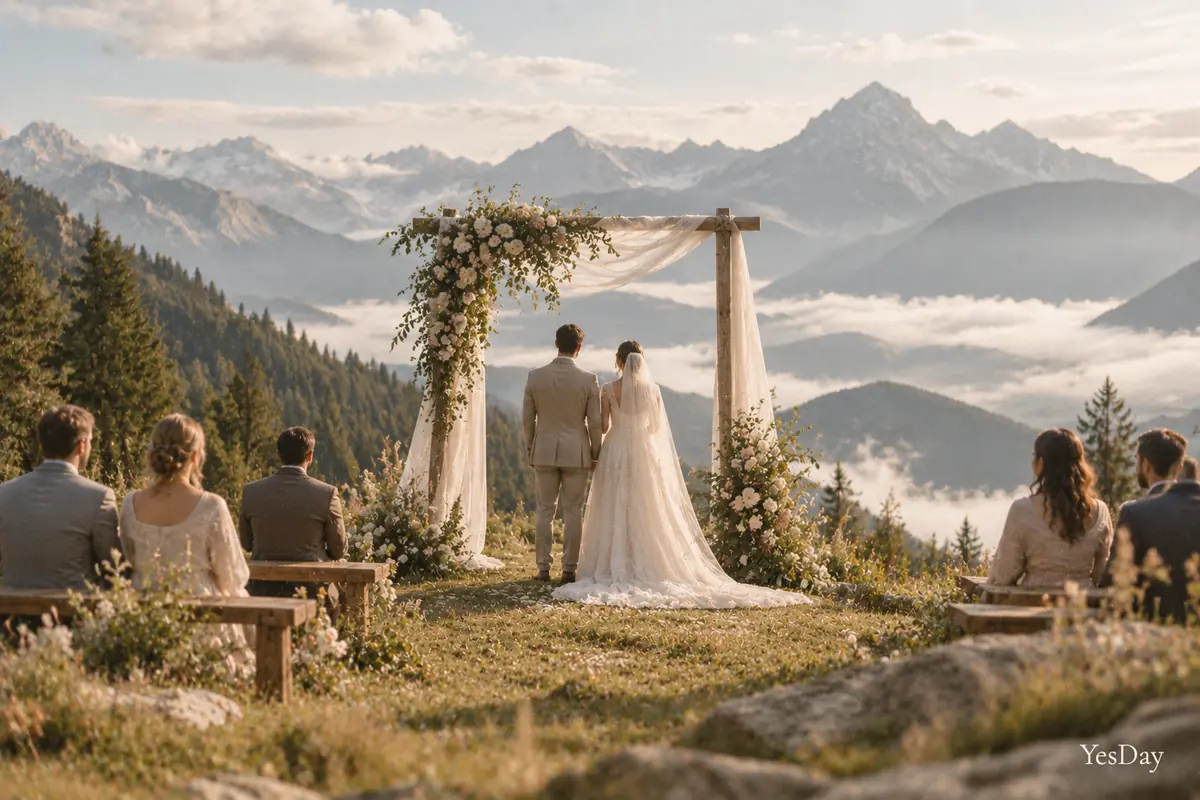 A wedding ceremony in the mountains
The Middle East: gold and family
Lebanon: zaffe (the wedding procession)
Before the ceremony the bride and groom are accompanied by a procession with drums, dancers and torches. It is a show in its own right, with professional choreography. The procession can include 20–30 dancers.
UAE: separate celebrations
Men and women celebrate separately. The women's part is a real party: dancing, music, luxurious outfits. The men's is more restrained, with poetry and coffee.
Morocco: the milk bath
Before the wedding the bride takes a milk bath with rose petals for beauty and purification. Her friends help her dress and decorate her with henna.
Asia: symbols of fidelity
South Korea: mandarin ducks
The groom gives the bride's family wooden mandarin ducks. These birds choose a partner for life — a symbol of fidelity. The way the ducks are placed in the home is said to predict who will be the head of the family: if their beaks face each other there will be harmony, if they face apart there will be quarrels.
China: the tea ceremony
The newlyweds serve tea to the parents of both families, kneeling. In return the parents give them red envelopes with money (hongbao). Red is the colour of luck and happiness, and it is present in everything from the dress to the decor.
Mongolia: the chicken liver
The bride and groom have to cut a chicken liver with one knife. If the liver is cut evenly, the marriage will be happy. If not, they try again until it works.
How to create your own tradition
You don't have to copy the customs of other cultures. The best traditions are the ones you invent yourselves:
- A time capsule — write letters to each other and open them in 5 years
- A wishing tree — the guests write on leaves and hang them on the branches
- Planting a tree together — a symbol of your family growing
- A book of reasons — add a page every year: "Why I love you"
- A wine box — seal a bottle and open it on your anniversary
Tell your guests about your traditions on your YesDay wedding website — give them a section of their own. It will add meaning to every moment of your celebration.
Which tradition surprised you the most? Perhaps it is the one that will inspire your wedding!